0 800 335 278
Marketing
What is linkbuilding
 05.06.2025
Tenders and partnerships
team@comon.agencySales department
sales@comon.agency


For over a decade now, we’ve seen algorithms, approaches, and rhetoric in digital promotion change. But there are some things that don’t lose relevance — rather the opposite, becoming points of stability in a changing environment over the years. Linkbuilding is one of them. This is not a temporary trend or another hack for an SEO forum. It’s a systematic effort that affects a site’s position, brand credibility, and ability to stand up to the competition.
Simply put, linkbuilding is the process of getting external links from other resources that lead to your site. Each link is first and foremost a sign that someone (another expert, organization, or reputable media outlet) considers your content of sufficient quality to recommend it to their audience. In other words, it’s a validation of your expertise on a particular topic.
A professionally built system of backlinks allows you to:

Studies in recent years confirm: the most successful pages in search have many times more quality backlinks than those that remain on the periphery of the output. For example, the BBC domain has over a million links from external sources, including cdc.gov, microsoft.com and britannica.com
The concept of “link building” covers the process of getting external links that act as digital recommendations: the more often authoritative sources mention your site, the higher its priority for Google.
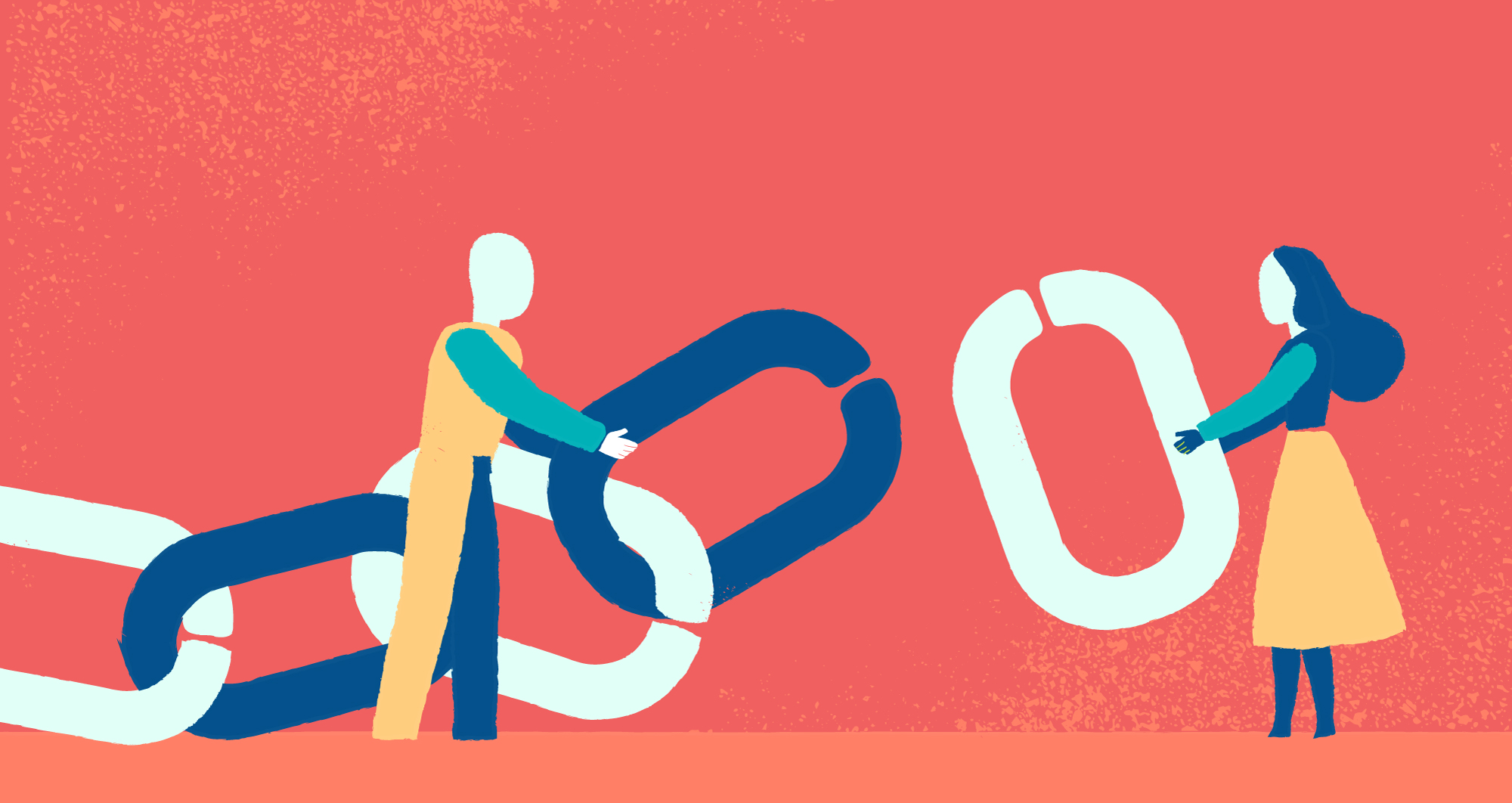
In practice, linkbuilding is a systematic formation of the information field around the site. A successful campaign is based not only on the number of backlinks, but above all on their quality, relevance and naturalness. Since 1998, when Google introduced the PageRank algorithm, backlinks have been a key ranking criterion. Although the principles have changed since then, the basis has remained the same: external links have a huge weight if they meet the criteria of expertise, credibility and contextual relevance.
There are a number of formats that experts use to build a quality link profile. Here are some examples:
Each of these methods works if the content is valuable, and the link looks natural and corresponds to the theme of the resource.
It is worth mentioning separately the classification by ethicality of approaches:
1998-2005: the period of PageRank system formation and formation of the primary idea about the importance of backlinks.
2005-2012: the stage of widespread use of automated and low-quality techniques, which provoked a decrease in trust in search results.
2012-2016: introduction of the Penguin algorithm, which emphasized the quality of links and put an end to large-scale manipulation.
2017-2025: the formation of a new standard: relevance, expertise, thematic relevance and trust came to the fore.
In the context of a competitive digital environment, links remain one of the key factors for successful promotion.
Here’s how linkbuilding affects SEO:

Links from authoritative sources increase the credibility of a site, help search engines more accurately identify its subject, and improve the user experience by providing access to additional valuable information.
Effective seo linkbuilding is not limited to the number of mentions. Algorithms take into account:
In professional SEO practice, linkbuilding stages are the logic of building website authority, which works as a well-coordinated mechanism and leads to results only when all elements are coordinated with each other.
1. Аudit: an in-depth study of the link profile
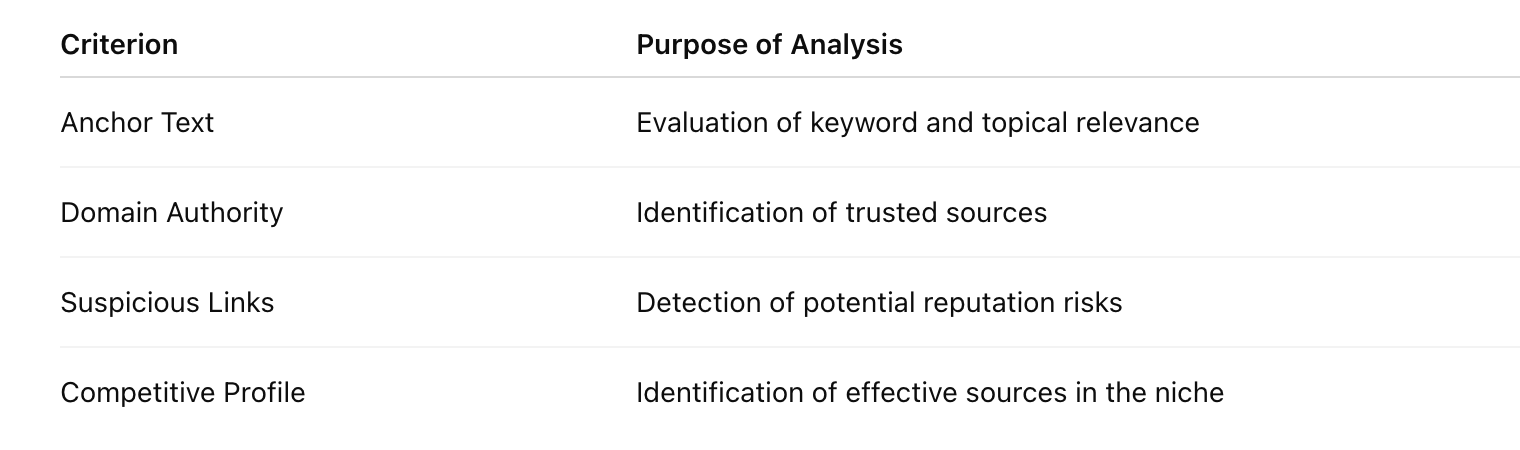
Analyzing backlinks allows you to identify both successful sources and potentially harmful mentions that can affect ranking. It is necessary to check the quality of anchor text, determine the authority level of donors, filter out toxic links and see what approaches competitors use.
Key aspects of link profile auditing:
2. Selection of quality sites
The next stage involves the formation of a pool of sites for the placement of external links. The main requirement is thematic compliance and a provable level of confidence in the resource.
For effective selection, it is worth considering the following factors:
3. Strategy: adaptation to the niche and project goals
Quality linkbuilding is impossible without a clear strategy, built with a specific niche in mind, budget, level of competition and time frame. Among the tactics that work in 2025:
4. Implementation
Content creation should meet both the expectations of the audience and the technical requirements for SEO. It is important to ensure quality communication with site owners, properly build an outreach campaign, and use CRM-systems to track results.
5. Analytics and adaptation
Control of campaign efficiency involves regular evaluation of the dynamics of external links growth, changes in site positions and organic traffic volumes. The key tools are Google Search Console, Google Analytics, Ahrefs, SEMrush.
The following are taken into account:
In 2025, the effectiveness of linkbuilding directly depends on which linkbuilding strategies are chosen and how well they are implemented.
Let’s take a look at linkbuilding strategies:
1. Guest posting. Guest posts remain relevant, but the approach to them has changed. Only 6% of sites accepting guest posts have high authority after Google algorithm updates. The cost of posting on a quality resource starts at $220, going up to $600 per piece. The point is not to post anywhere, but to choose the exact platform where your text will become an addition to the information field.
2. Оutreach linkbuilding. This is targeted outreach that takes into account the context, specifics of the site and the interests of its audience. A successful campaign is based on research, preparation of relevant content and correct communication. Statistics show that personalized emails increase the number of responses by 50%.
3. Linkbuilding and crowd marketing. Work when the brand’s presence in communities looks organic. It’s important to be part of the discussion, not advertising noise. Commenting, responding on forums, participating in Q&A platforms are all effective as long as your opinion is relevant, and the link is justified. The advantage is that it builds community, trust and a useful brand image.
4. Buying drop domains is a strategy for those who understand the subtleties of SEO. Its essence is to get quality backlinks by redirecting traffic from a previously authoritative, but abandoned resource. 19.9% of marketers use this method, but the emphasis should be on a thorough audit: it is important to check the history of the domain, its backlinks and the presence of sanctions, so as not to worsen the position of the main project.
5. Digital PR. News, cases, analytical materials and expert comments are placed on high-quality media resources with natural links to your site. This is the most effective linkbuilding strategy and a way to build brand recognition and trust among key audiences.
Proper linkbuilding is built on three things:
1. Content you want to keep
2. Manual Outreach
3. Guest posts on trusted sites
Four criteria on how to distinguish good links:
Where to get links:
Mistakes that kill SEO:
A great source where you can monitor quality platforms for guest posts is Backlinko Outreach List
If your site speaks English, Google expects it to prove its reputation through quality backlinks. Here it is important not just to find links, but to mine them qualitatively, thematically, and without spam.
What is linkbuilding to the West (or linkbuilding to the bourge)? This is building a quality link profile for sites targeting the English-speaking audience. Geography — USA, UK, Canada, Australia, UK.
Features:
Linkbuilding for commercial websites is a strategy that only works when you know who you’re promoting to and what you’re promoting. Your priority:
Linkbuilding for an online store. No one will buy a toothbrush from you if you’re not linked to by reputable reviewers. What works:
On the international market for linkbuilding the price is about $370 per link. It all depends on the resource where the links are placed:
If you want to build links on a regular basis, linkbuilding costs start at $3,000/month and can go up to $15,000 depending on your strategy.
Compared to global rates, linkbuilding in Ukraine offers more options within the available budget. At the same time, the quality can be quite decent:
For linkbuilding in Kiev prices and service can be compared on several verified platforms:
You 100% don’t just want to be on Google – you want to be on the radar — in the sight of a user who is already ready to buy, click, order. That’s why a linkbuilding service should be a clear strategy. This is what Cómon Agency offers.
Selection of sites to work with
SEO-expertise
Crowd and outreach
It’s linkbuilding on a stream that doesn’t stop. It doesn’t have to be started from scratch every time, it works as a system.
What’s the proof that it works?
They don’t promise you the moon from the sky, but give you results. If you want to order linkbuilding, do it once, but with quality. Cómon works to make your site grow and be where the client is looking for it.
Simple arithmetic used to work in SEO: more links = better positions, but today these approaches look outdated. Algorithms have changed their focus: now the stakes are on depth, not quantity.
AI-based tools are an effective modern answer to real business needs. Platforms like Pitchbox or Respona today help to strategically structure outreach communication. They automate the identification of potential partner sites, and generate personalized appeals that match the tone of the niche and the expectations of the target audience.
Algorithmic support in the selection of anchor text is worth mentioning separately: these are relevant and logically embedded elements that reinforce the context of the publication.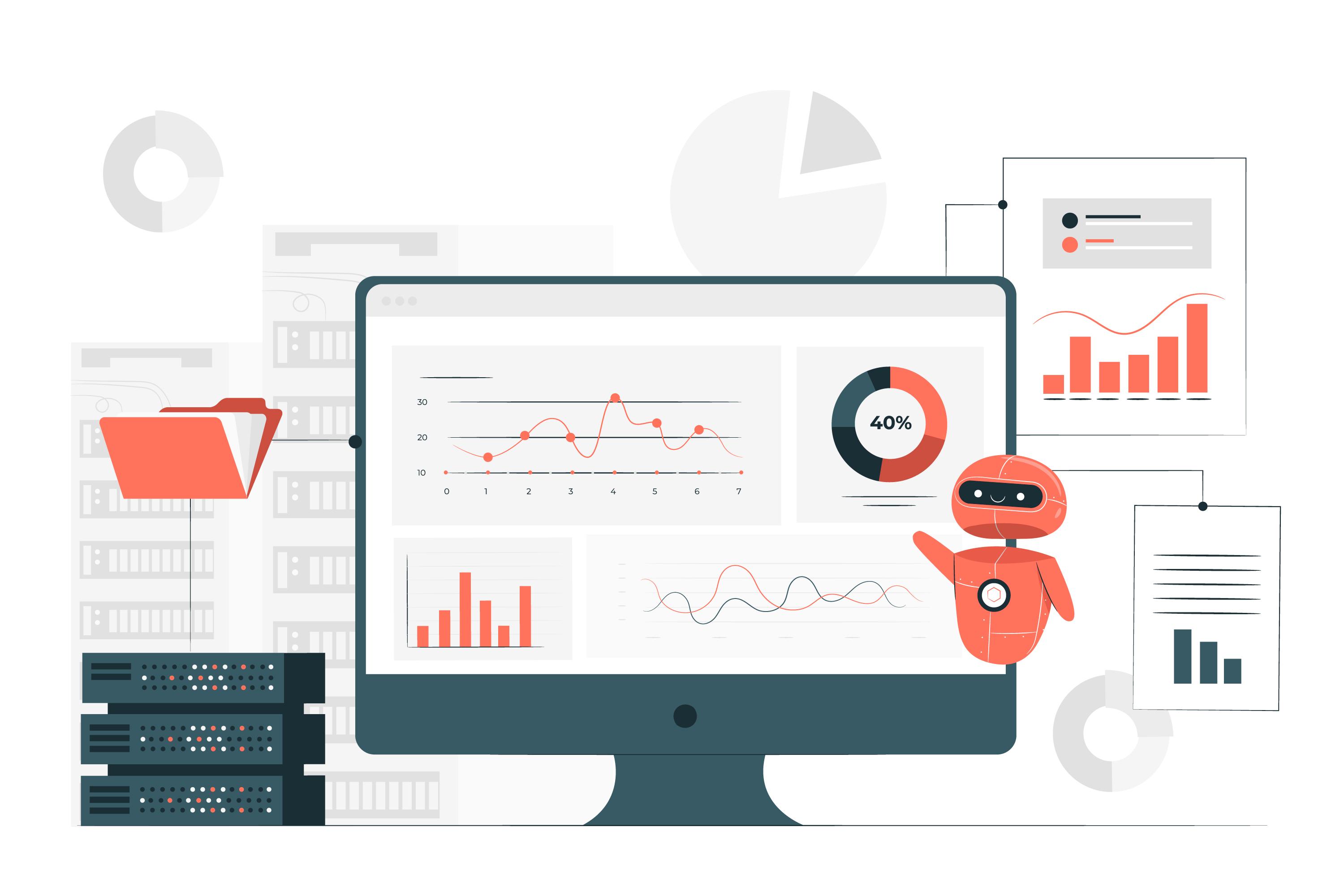
Google’s modern algorithm reacts harshly to links from irrelevant or weak authority sources. Now, a combination of three factors matters:
Google not only indexes, it also analyzes what type of link a site uses. Since 2020, attributes such as rel="nofollow", rel="sponsored", rel="ugc" have acquired a new functional meaning.
nofollow is no longer a directive, it is now a recommendation signalsponsoredtags paid mentions, which is important in the context of transparencyugc allows you to separate user-generated content from editorial contentThese nuances form the overall portrait of the resource in the eyes of the search engine, so they should not be neglected.
The E-E-A-T (Experience, Expertise, Authoritativeness, Trustworthiness) concept is the frame by which Google evaluates the quality of content and the logic of links leading to or from it.
Linkbuilding builds digital reputation, expands the information field and creates the basis for long-term site growth.
In 2025, the mass approach doesn’t work: it’s not quantity that matters, but quality, relevance, trust and strategy. Guest posts, outreach, crowdfunding, digital PR or drop-domains — each of these areas has its advantages, but it will only be effective when it works as part of a holistic system.
And it is also important: a good strategy is not created on a template, it is created for you. So if you want to order linkbuilding that really works — turn to Cómon Agency. Here they don’t just build links, they select solutions that fit your niche, goals and growth rate. Turnkey, ongoing, expert-supported linkbuilding is a reliable way to build trust in your brand.

 12.01.2024