
 073 060 59 89




Ecommerce SEO: how online store promotion works and what to expect
Ecommerce SEO differs from promoting a brochure website. An online store has hundreds or thousands of pages, queries are longer and more specific, and stock and prices change constantly. A “set it and forget it” approach fails here: you need a clean catalogue structure, control over filters and systematic work on product pages. We cover general principles on our SEO services page, so here we focus on what is specific to online retail.
How store promotion differs from a regular website
- Structure. A corporate site has a handful of pages; a store has categories, subcategories, products, brands, delivery and payment pages. Each one needs its own title, description and images.
- Keywords. Stores win with long queries that name product attributes, plus seasonal and local searches, rather than short generic terms.
- Updates. Prices, stock and descriptions change, so SEO is an ongoing process.
- Reviews. For a store, reviews and ratings on each product are part of optimisation.
What we do in the first month
We analyse your niche and competitors, build a tailored strategy, collect search queries and map them to pages, write meta tags, prepare briefs, produce copy and implement changes on the site. Every month you receive a results report, so you can see how the investment performs. We usually begin with an SEO audit that reveals the real indexation and structure issues.
Filters, product pages and data for Google
Duplicates created by filters and sorting cause the biggest losses in ecommerce. We decide which filters have demand and become separate landing pages, and which get closed. For product pages we set up structured data, unique descriptions and rules for out-of-stock items. If you also run ads, we align the data with Google Shopping, and our ecommerce marketing agency page shows how SEO fits into the wider plan.
Common ecommerce SEO mistakes
- Letting every filter combination into the index: Google drowns in duplicates and crawls important categories less often.
- Identical or empty titles on hundreds of product pages because the template was never configured.
- Deleting product pages without a redirect, which throws away accumulated authority and traffic.
- Categories with no copy and no internal links, giving neither shoppers nor search engines anything to hold on to.
- Copying manufacturer descriptions with no changes at all.
Most of these can be fixed within weeks once the tasks are written clearly for developers, which is why they are where we like to begin.
Links and authority
Strong rankings for a store need external trust signals. We work with quality publications, partners and platforms; our methods and limits are on the link building page.
Cost and timing
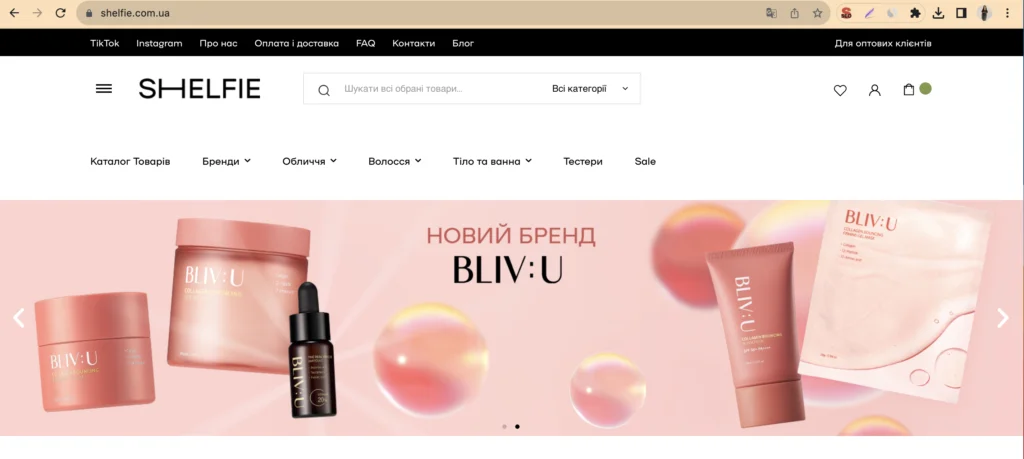
In the market, working with an SEO agency usually costs $500–1,500 a month, and our packages start from $500. The main price factors are the number of language versions and the platform; the details are on the SEO pricing page. On timing, a newcomer in a competitive niche may need 6–12 months, and nobody can fully guarantee rankings. For examples of our work, see the cases: SEO for the Korean cosmetics store shelfie.com.ua, a barbecue goods store and others.


